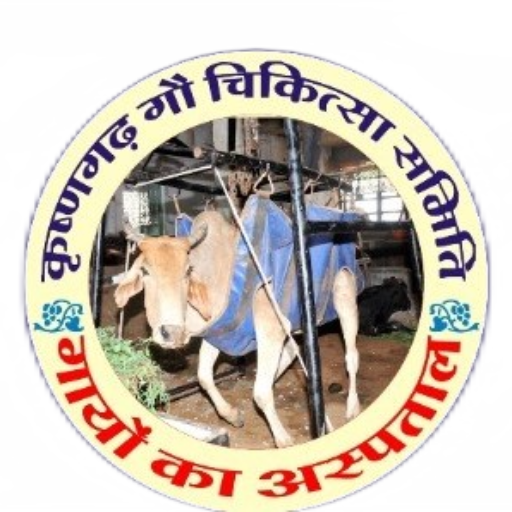
Cow Rescue and Rehabilitation in Rajasthan

Cows hold an important place in Rajasthan’s culture, villages, agriculture, and religious traditions. However, many cows are found injured, sick, abandoned, or hungry on roads and in market areas. Some suffer because of road accidents, while others become weak after eating plastic waste or living without proper food and water. Cow Rescue and Rehabilitation in Rajasthan.

Cow Rescue and Rehabilitation in Rajasthan is an important effort that helps such cows receive emergency treatment, nutritious fodder, clean water, safe shelter, and regular care. Rescue teams, animal hospitals, gaushalas, volunteers, and donors work together to protect helpless cows and improve their quality of life.

What Is Cow Rescue and Rehabilitation?

Understanding Cow Rescue (Cow Rescue and Rehabilitation in Rajasthan)

Cow rescue means helping a cow that is injured, trapped, sick, abandoned, or living in a dangerous location. Local people may inform an animal rescue organisation after noticing a cow in distress.

The rescue team reaches the location and checks the condition of the animal. Depending on the injury, the cow may receive first aid before being safely transported to an animal hospital or shelter.

Rescue workers must handle the animal carefully because an injured cow may be frightened or unable to move properly. Special vehicles, stretchers, lifting belts, and other equipment may be used for safe transportation.

Understanding Cow Rehabilitation

Rehabilitation starts after the rescued cow reaches a safe facility. It includes medical treatment, wound care, nutritious food, clean water, proper rest, and regular health monitoring.

Some cows recover quickly, while others may need care for several weeks or months. Old, disabled, or permanently injured cows may require lifelong support in a gaushala.

The main purpose of rehabilitation is to reduce pain, restore health, and give the cow a safe and comfortable life.

Why Cow Rescue Is Needed in Rajasthan

Road Accidents (Cow Rescue and Rehabilitation in Rajasthan)

Many cows walk freely on roads and highways. Drivers may not notice them at night, especially on roads with poor lighting. This can lead to fractures, deep wounds, internal injuries, or permanent disability.

Quick reporting and timely veterinary care can save an injured cow’s life. People should contact a nearby animal rescue service instead of leaving the cow unattended.

Cow Rescue and Rehabilitation in Rajasthan

Hunger and Malnutrition

Abandoned cows often struggle to find nutritious food. They may search through garbage and eat spoiled vegetables, paper, cloth, or plastic.

Without proper nutrition, cows become weak and more likely to suffer from infections and other illnesses. Rescue shelters provide green fodder, dry fodder, grains, mineral mixtures, and clean drinking water according to the cow’s health needs.

Plastic Consumption (Cow Rescue and Rehabilitation in Rajasthan)

Plastic waste is a serious danger for street cows. When food waste is thrown inside plastic bags, cows may swallow the plastic along with the food.

Plastic cannot be digested easily and may remain inside the stomach. It can cause severe pain, loss of appetite, infection, and other life-threatening complications.

People can help by separating food waste from plastic and supporting cleanliness campaigns in Rajasthan.

Extreme Weather Conditions (Cow Rescue and Rehabilitation in Rajasthan)

Rajasthan experiences very hot summers. Cows living on the streets may not find enough shade or water. This can cause dehydration, weakness, and heat stress.

During winter, weak and injured cows may also struggle to remain warm. Rehabilitation centres provide shaded areas, proper ventilation, clean water, and protected shelters for different seasons.

How Cow Rescue Operations Work

Receiving Information (Cow Rescue and Rehabilitation in Rajasthan)

A rescue operation often begins with a phone call, social media message, or local report. The caller provides the cow’s location, visible condition, and nearby landmarks.

Sharing a clear photo or video can help the rescue team understand the situation and bring suitable equipment.

Safe Transportation

An injured cow must be moved gently. Rescue teams may use an animal ambulance, stretcher, ropes, or lifting equipment.

Careless movement can increase pain or worsen the injury. Therefore, trained workers follow safe handling methods during transportation.

Veterinary Examination

After reaching the hospital, the cow is examined by a veterinarian. The doctor may check wounds, fractures, body temperature, breathing, hydration, and signs of infection.

Treatment may include wound cleaning, bandaging, medicines, injections, fluid therapy, fracture support, pain relief, or surgery.

Regular monitoring is essential because some medical conditions take time to improve.

Main Steps in Cow Rehabilitation

Medical Treatment

Medical treatment is one of the most important parts of rehabilitation. Wounds must be cleaned regularly, medicines must be given on time, and health changes must be recorded.

Cows with serious injuries may require long-term dressing and daily veterinary attention.

Nutritious Fodder and Water

A recovering cow needs balanced food. Green fodder provides important nutrients, while dry fodder supports digestion. Weak cows may also receive supplements or special diets.

Clean drinking water must always be available, especially during the summer season. People can support cow feeding seva to help shelters provide regular meals.

Safe and Comfortable Shelter

A peaceful environment helps cows recover faster. Shelters should have clean floors, proper drainage, shade, ventilation, and enough space.

Injured cows may need separate recovery areas where they can rest safely without disturbance.

Cow Rescue and Rehabilitation in Rajasthan

Mobility Support

Cows recovering from fractures or weakness may need physiotherapy and mobility support. Gentle exercises can improve muscle strength and blood circulation.

Special lifting equipment may help cows that cannot stand independently. However, all exercises should be performed under veterinary guidance.

Role of Gaushalas and Animal Hospitals

Long-Term Shelter

Gaushalas provide a permanent home to abandoned, old, disabled, and injured cows. They arrange food, water, treatment, cleaning, and daily care.

Many shelters also create separate spaces for calves, sick cows, and recovering animals.

Emergency Medical Care

Animal hospitals are an important part of Cow Rescue and Rehabilitation in Rajasthan. They provide professional treatment for accidents, infections, fractures, digestive problems, and other emergencies.

Hospitals with animal ambulances can respond faster and begin treatment without delay.

How People Can Support Cow Rescue

  • Report Cows in Distress: Inform a nearby animal rescue team or gaushala when you see an injured, sick, or trapped cow. Share the correct location, photos, and visible condition.
  • Donate Fodder or Medicines: Cow shelters need green fodder, dry fodder, grains, and mineral-rich food every day. Donating fodder helps rescued cows receive proper nutrition.
  • Support Medical Treatment: People can contribute towards medicines, injections, bandages, surgeries, and emergency veterinary care for injured and sick cows.
  • Provide Clean Drinking Water: Placing clean water containers in safe areas can help street cows during hot weather, especially in Rajasthan’s summer season.
  • Avoid Throwing Food in Plastic Bags: Always separate food waste from plastic. Cows may swallow plastic while searching for food, which can cause serious health problems.
  • Volunteer at a Gaushala: Volunteers can help with feeding, cleaning, rescue coordination, awareness campaigns, record keeping, and daily cow care.

Conclusion

Cow Rescue and Rehabilitation in Rajasthan helps injured, sick, abandoned, and homeless cows receive timely treatment and long-term protection. Rescue teams save cows from immediate danger, while hospitals and gaushalas provide medical care, nutritious fodder, clean water, and safe shelter. Every person can support this mission by reporting injured cows, reducing plastic waste, volunteering, spreading awareness, or donating according to their capacity. A rescued cow needs more than medical treatment. It also needs patience, compassion, protection, and a safe place to live with dignity.


501
Posted in: Blog

Leave a Reply

Your email address will not be published. Required fields are marked *

Latest
Loading...
WhatsApp Icon