From Pain to Protection: A New Life for Disabled Animals

From Pain to Protection, animals are silent companions of human life. They depend on kindness, care, and protection, yet many animals suffer every day due to accidents, neglect, abandonment, and illness. Cows, dogs, monkeys, donkeys, and other animals are often seen injured on roadsides, struggling without food, water, or medical help. Their pain often goes unnoticed, and many are left to survive on their own.

The journey from pain to protection begins when someone chooses compassion. Rescue teams, animal hospitals, shelters, and volunteers work together to save these helpless lives. Through proper treatment, rehabilitation, and long-term care, disabled animals are given a new chance to live with dignity. This effort is especially important in the case of Injured Gaumata Care in Rajasthan, where cows need urgent support and medical attention.

Understanding the Pain of Disabled Animals

Disabled animals face both physical suffering and emotional stress. When an animal is injured, survival becomes difficult without immediate human support. (From Pain to Protection)

From Pain to Protection: A New Life for Disabled Animals

Common Reasons Animals Become Disabled

Road accidents are one of the main reasons animals become disabled. Stray animals often move through busy roads and highways where speeding vehicles cause serious injuries. Broken legs, deep wounds, and spinal damage are common. Some animals also suffer due to abandonment, old age, untreated infections, or abuse.

Life Without Medical Help (From Pain to Protection)

Without treatment, even a small injury can become life-threatening. Open wounds attract infections, and weak animals struggle to find food and water. In rural and remote areas, access to veterinary care is limited, making recovery even harder.

Rescue: The First Step Toward Protection

Every successful recovery begins with timely rescue. Reaching an injured animal quickly can save its life.

Emergency Rescue Services (From Pain to Protection)

Animal welfare groups and local volunteers often work through rescue helplines. As soon as an injured animal is reported, trained teams arrive to provide first aid and safe transportation. They handle animals carefully to avoid causing more pain or stress.

First Aid and Immediate Support

Cleaning wounds, stopping bleeding, and giving water or temporary support are the first steps. These simple actions help stabilize the animal before full treatment begins.

Medical Treatment and Gau Chikitsa

Treatment is the foundation of recovery. Animal hospitals and Gau Chikitsa centers provide medical support that helps animals move from pain to healing.

Caring for Injured Gaumata

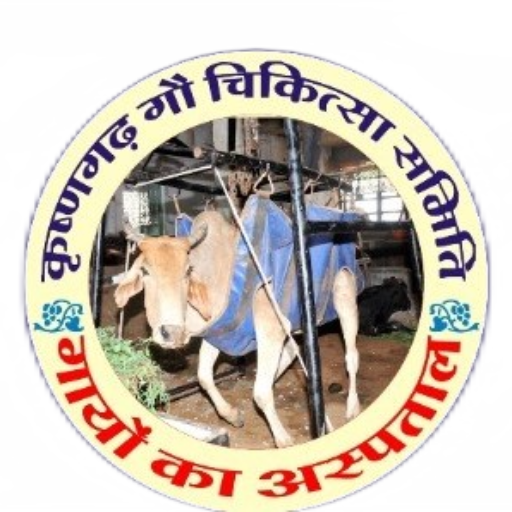
Cows are among the most commonly injured animals in India. Road accidents, plastic consumption, infections, and abandonment create serious health problems. Injured Gaumata Care in Rajasthan focuses on fracture treatment, wound dressing, surgeries, and pain management to improve their condition.

Proper Food and Nutrition (From Pain to Protection)

Healing also depends on nutrition. Injured animals need green fodder, clean water, mineral supplements, and balanced feeding. Good nutrition helps wounds heal faster and improves strength during recovery.

Animal hospitals make sure that recovery is not limited to medicine alone but includes complete physical care.

Rehabilitation: Giving Animals a New Life

Treatment may save life, but rehabilitation helps animals live again with comfort and confidence.

Physiotherapy and Mobility Support

Animals with leg injuries, paralysis, or joint stiffness need regular physiotherapy. Assisted walking, gentle movement, and special care improve mobility and reduce pain. In some cases, wheel support or long-term assisted movement is needed.

Emotional Healing and Safe Shelter (From Pain to Protection)

Animals also need emotional recovery. Calm shelters, clean bedding, shade, and gentle care help reduce fear and stress. A peaceful environment makes healing faster and restores trust.

Challenges Faced by Animal Welfare Centers

Despite their dedication, shelters and animal hospitals face many challenges while caring for disabled animals.

Limited Funds and Resources (From Pain to Protection)

Surgeries, medicines, food, and shelter maintenance require regular financial support. Many animal welfare centers depend on donations, which are not always consistent. This makes long-term care difficult.

Increasing Number of Injured Animals (From Pain to Protection)

As cities grow and traffic increases, more animals are injured every day. Shelters often struggle with overcrowding, lack of staff, and shortage of proper rehabilitation space.

Community Support Creates Real Change

  • Local people help by reporting injured or disabled animals on time to rescue teams.
  • Early information allows faster treatment and increases the chances of recovery.
  • Community donations support medicines, fodder, shelter care, and daily treatment needs.
  • Volunteers help with feeding, cleaning, and basic care at shelters and hospitals. Social media sharing spreads awareness and encourages more people to support animal welfare.
  • Local groups, students, and families often join rescue drives and seva activities.
  • Community involvement reduces the burden on animal welfare centers and strengthens long-term care efforts.
  • Collective compassion helps give disabled animals safety, treatment, and a better life.
From Pain to Protection: A New Life for Disabled Animals

Responsible Tourism and Animal Welfare (From Pain to Protection)

Responsible tourism and animal welfare are closely connected because travelers can help create a positive impact through their choices. Instead of supporting activities that exploit animals, tourists should choose ethical experiences that respect and protect them. Visiting animal shelters, supporting Gau Chikitsa centers, and contributing to rescue initiatives are meaningful ways to help. Even small actions like donating food, spreading awareness, or avoiding harmful attractions can make a big difference. Responsible travel promotes kindness, compassion, and respect for all living beings, helping injured and disabled animals move from pain to protection.

A Better Future for Disabled Animals

Awareness about animal welfare is growing across India. More people are now understanding that disabled animals deserve care, not neglect.

Strength Through Awareness

Social media, NGOs, and local campaigns are helping people learn how to respond when they see an injured animal. Awareness creates faster action and stronger rescue systems.

Every Small Action Matters

Even offering water, reporting an injured animal, or supporting a local shelter creates change. Compassion begins with small steps, and these steps build a better future.

Conclusion: Every Life Deserves Protection

From pain to protection is not just a journey—it is a promise of humanity. Disabled animals deserve care, safety, and dignity just like every living being. Through rescue, treatment, Gau Chikitsa, rehabilitation, and community support, these animals are given hope and a second chance at life. The mission of Injured Gaumata Care in Rajasthan reminds us that compassion can transform suffering into healing. By choosing kindness and responsibility, we help create a world where no animal is left behind.


501
Posted in: Blog
Latest
Loading...
WhatsApp Icon