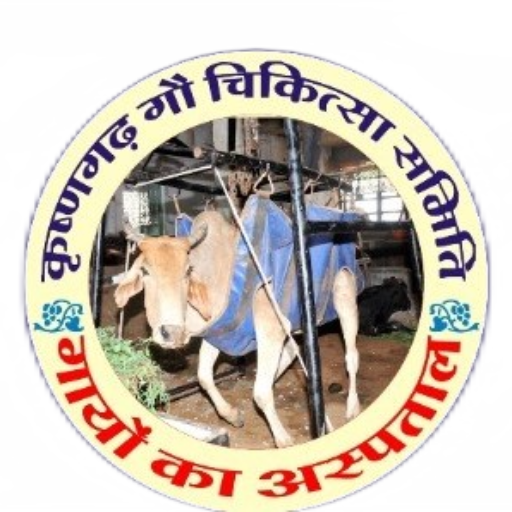
Medical Care for Injured Cows

Cows are gentle, innocent, and deeply respected in Indian culture. Sadly, many cows suffer silently on roads, in open areas, and near crowded places due to accidents, injuries, weakness, hunger, and lack of proper care. Some cows get hurt in road accidents, some are injured by sharp objects, and many become weak because they do not get enough food, water, or timely medical attention. Medical Care for Injured Cows.

This is why Medical Care for Injured Cows is very important. Timely treatment can save a cow from pain, infection, disability, and even death. Krishangarh Gau Chikitsa Samiti works with the aim of helping injured, sick, weak, and abandoned cows by providing medical support, food, shelter, and compassionate care.

Every injured cow deserves healing. Every helpless cow deserves protection. Through proper care and support, we can reduce their suffering and give them a safer life.

Understanding the Need for Medical Care for Injured Cows

Injured cows often suffer quietly because they cannot express their pain in words. Many times, people pass by without noticing their wounds, swelling, bleeding, or weakness. But even a small injury can become serious if it is not treated on time.

Medical care includes wound cleaning, dressing, medicines, injections, pain relief, proper feeding, rest, and regular monitoring. These steps help cows recover faster and protect them from further health problems.

Why Injured Cows Need Immediate Help (Medical Care for Injured Cows)

When a cow is injured, delay in treatment can make the condition worse. Open wounds may get infected, broken legs may become more painful, and weak cows may lose the strength to stand. Immediate medical support can prevent major complications and improve the chances of recovery.

Medical Care for Injured Cows

Common Reasons Behind Cow Injuries

Cows may get injured due to road accidents, plastic consumption, sharp waste, fights with other animals, weakness, old age, or lack of safe shelter. Stray cows are more at risk because they often move around busy roads and unsafe areas.

Common Injuries Found in Cows

Injured cows may face different types of health problems. Some injuries are visible, while others are internal and need proper checkup.

Road Accident Injuries (Medical Care for Injured Cows)

Many cows are hit by vehicles while crossing roads or resting near highways. These accidents may cause fractures, bleeding, deep wounds, or difficulty in walking. Such cases need urgent veterinary care.

Wounds and Infections

Open wounds are common in abandoned cows. If dirt, flies, or germs enter the wound, infection can spread quickly. Proper cleaning, dressing, and medicines are needed to stop infection and help the wound heal.

Leg and Hoof Problems

Cows may suffer from leg swelling, hoof wounds, cracks, or difficulty standing. These problems can affect their movement and make it hard for them to reach food and water.

Weakness and Malnutrition (Medical Care for Injured Cows)

Some cows are not injured by accidents but become weak because of hunger, dehydration, or lack of nutrition. Weak cows need proper diet, clean water, supplements, and regular observation.

Steps Involved in Medical Care for Injured Cows

Proper treatment is not just about giving medicine. It is a complete process that includes rescue, examination, treatment, feeding, and recovery support.

Rescue and Safe Handling

The first step is to safely rescue the injured cow. Injured animals may be scared or unable to move. They need gentle handling so that their pain does not increase. Volunteers and caretakers must move them carefully to a safe space.

Medical Care for Injured Cows

Veterinary Checkup (Medical Care for Injured Cows)

A qualified veterinary doctor or trained medical team examines the cow to understand the injury. They check wounds, body temperature, movement, swelling, weakness, and signs of infection.

Wound Cleaning and Dressing

Open wounds are cleaned with safe antiseptic solutions. After cleaning, proper dressing is done to protect the wound from dust, flies, and germs. Regular dressing is important until the wound heals.

Medicines and Pain Relief (Medical Care for Injured Cows)

Injured cows may need antibiotics, anti-inflammatory medicines, pain relief, vitamins, or injections. Medicines help control infection, reduce pain, and support healing.

Rest and Recovery (Medical Care for Injured Cows)

After treatment, cows need a clean and peaceful place to rest. Recovery takes time, especially in cases of serious wounds, fractures, or weakness. Daily care and monitoring are necessary.

Role of Krishangarh Gau Chikitsa Samiti

  • Provides timely medical care for injured, sick, and weak cows.
  • Helps rescue helpless cows from unsafe roads and open areas.
  • Offers wound cleaning, dressing, medicines, and basic treatment support.
  • Gives proper food, clean water, and rest to cows during recovery.
  • Provides safe shelter where injured cows can heal peacefully.
  • Supports old, abandoned, and disabled cows with daily care.
  • Works to protect cows from pain, hunger, and neglect.
  • Arranges regular health checkups and follow-up care for recovering cows.
  • Creates awareness about cow protection, animal kindness, and responsible care.
  • Encourages people to support Gau Seva through donations, fodder, medicines, and volunteer help.
  • Gives injured cows a second chance to live with comfort and dignity.
  • Promotes compassion by serving helpless and voiceless animals.

Importance of Food and Nutrition During Recovery

Food plays a major role in the healing process. An injured cow needs energy, minerals, and nutrients to regain strength. Without proper nutrition, even good medical treatment may not show full results.

Green fodder, dry fodder, clean drinking water, mineral mixtures, and special supplements can help weak cows recover better. For old and sick cows, soft and easy-to-digest food may also be needed.

Nutrition Builds Strength

A well-fed cow has better immunity and more strength to fight infection. Nutritious food helps in wound healing and improves overall health.

Clean Water Prevents Weakness

Dehydration can make injured cows weaker. Clean water should be available regularly, especially during summer and recovery periods.

Why Regular Monitoring Is Necessary

Treatment does not end after one dressing or one dose of medicine. Injured cows need regular monitoring until they fully recover. Their wounds must be checked, medicines must be given on time, and their food intake must be observed.

If a wound is not healing, if swelling increases, or if the cow stops eating, immediate attention is needed. Regular care helps avoid serious problems and ensures steady recovery.

Daily Health Checkups

Daily observation helps caretakers understand whether the cow is improving or not. It also helps detect new problems early.

Follow-Up Dressing and Medicines

Some wounds require dressing for many days or weeks. Missing follow-up care can lead to infection again. Proper routine is necessary for complete healing.

Preventing Injuries in Cows

While medical care is important, prevention is also necessary. Many cow injuries can be avoided if society becomes more careful and responsible.

People should avoid throwing plastic, sharp objects, wires, and harmful waste in open areas. Drivers should slow down near animals on roads. Communities should support shelters and cow care organizations.

Safe Roads and Awareness

Many cows are injured in road accidents. Awareness among drivers can reduce such accidents. Slow driving and careful movement near animals can save lives.

Avoiding Plastic Waste

Plastic is dangerous for cows. When cows eat plastic from garbage, it can cause serious internal problems. Proper waste management is very important.

Supporting Cow Shelters

Cow shelters provide protection from accidents, hunger, and weather conditions. Supporting shelters can help reduce the number of injured and helpless cows on roads.

How People Can Support Medical Care for Injured Cows

Everyone can play a role in helping injured cows. Even a small contribution can provide medicine, fodder, dressing material, or emergency care.

You can support by donating for treatment, providing fodder, sponsoring medicines, spreading awareness, or reporting injured cows to local animal care groups. Compassionate action at the right time can save a life.

Spiritual and Social Value of Cow Care

In Indian tradition, serving cows is considered a noble and sacred act. But beyond religious belief, cow care is also an act of humanity. Injured cows feel pain, hunger, fear, and weakness just like any living being.

When we help them, we spread kindness in society. We teach the value of compassion to future generations. Medical care for injured cows is not only about treatment; it is about protecting life with respect.

Conclusion

Medical Care for Injured Cows is a meaningful and life-saving service. Injured, weak, and abandoned cows need timely treatment, safe shelter, nutritious food, clean water, and regular care. Without support, their pain can increase, and many may lose their lives due to infection, hunger, or untreated wounds. Krishangarh Gau Chikitsa Samiti works to bring hope and healing to such cows. Through medical care and compassionate service, injured cows can recover and live with comfort and dignity. Every donation, every act of support, and every kind effort matters. When we come together for Gau Seva, we help reduce suffering and create a more compassionate society.

Support medical care for injured cows and become a reason for healing, protection, and hope.

501
Posted in: Blog

Leave a Reply

Your email address will not be published. Required fields are marked *

Latest
Loading...
WhatsApp Icon